Lowland Scotch Whisky
Compare 499 prices from £25.25
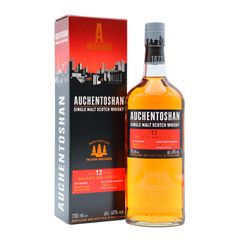
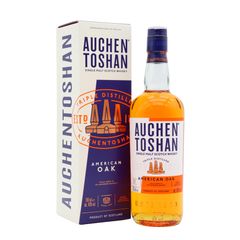
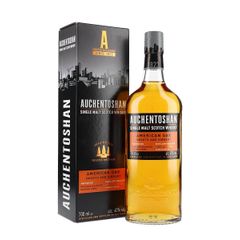
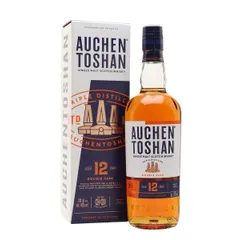
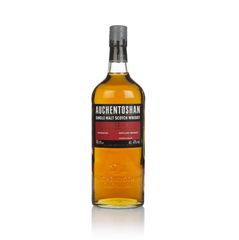
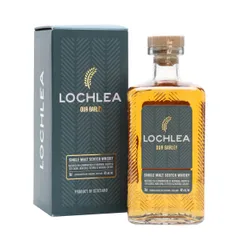
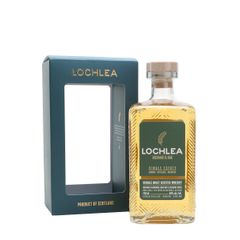
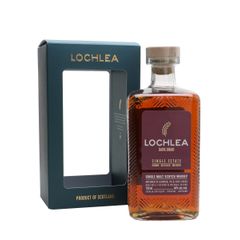
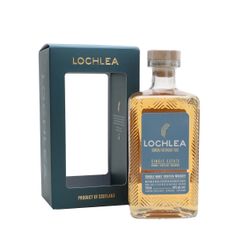
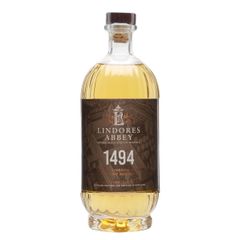
For the purposes of regional classification, Lowland whiskies are produced south of the line that separates the Highlands from the Lowlands under the Scotch Whisky Regulations 2009, broadly corresponding to the old imaginary divide between Dundee and Greenock. In the past the Lowlands were home to a great many distilleries and styles, and it is certainly true that the region once supported a far broader whisky culture than it does in most older guidebooks. Today, however, the old idea that only Auchentoshan, Bladnoch and Glenkinchie are active is no longer accurate. In recent years the region has seen a marked revival, with newer malt distilleries such as Kingsbarns, Lindores Abbey, Daftmill, Annandale, Lochlea and others helping to reshape the Lowlands as a far more active whisky region than it appeared a decade ago.
The Lowland style is still often described as light, floral, approachable and aperitif-like, with sweetness and a dry, clean finish. That description remains useful as a shorthand for certain distilleries, especially Auchentoshan and, at times, Glenkinchie, but it has never told the whole story and feels even less complete today. Older Lowland malts from closed distilleries can be far weightier and more idiosyncratic than the stereotype suggests. St Magdalene, for example, is often dense, mineral and waxy, with rather more in common with some old Highland malts than with the image of the delicate “Lowland Lady.”
The Lowlands are also home to some of Scotland’s most important grain distilleries, including Girvan and Cameron Bridge, which continue to serve the needs of blenders while also supplying the growing market for single grain Scotch whisky. For that reason, the modern Lowlands are best understood not as a quiet corner defined by a single light style, but as one of the most varied and quietly revitalised parts of the Scotch whisky landscape.