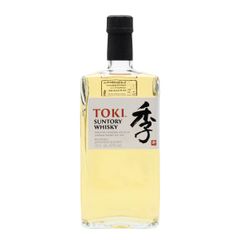
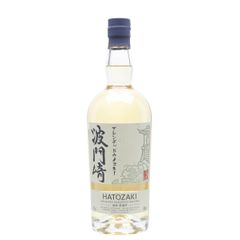
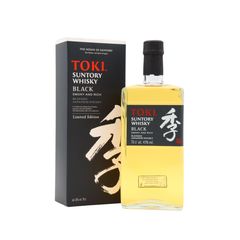
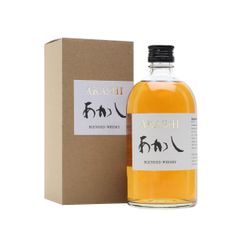
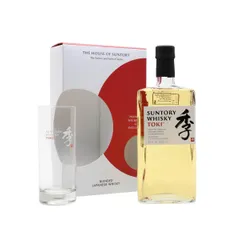
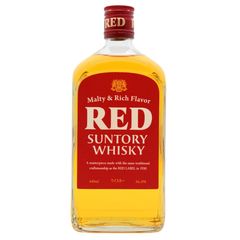
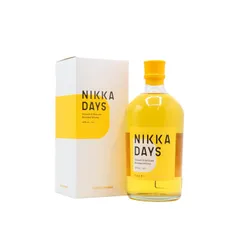
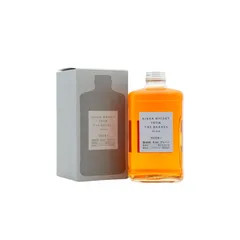
The first whisky distillery to be built in Japan was the Yamazaki Distillery in 1923, and for that reason Japan is now rightly regarded as one of the more mature whisky-producing nations outside the traditional strongholds of Scotland and Ireland. Yamazaki was established by Shinjiro Torii, founder of the company that became Suntory, with Masataka Taketsuru playing a crucial technical role after studying whisky-making in Scotland. Taketsuru had originally been sent there by Settsu Shuzo, but when that company abandoned its own distillery plans, he joined Torii’s venture instead.
Taketsuru later left to pursue his own vision of Japanese whisky, and in 1934 founded Dai Nippon Kaju in Hokkaido, the company that would later become Nikka. There he established the Yoichi Distillery, seeking a location whose climate and conditions resembled those of Scotland. Between Torii’s commercial ambition and Taketsuru’s technical influence, the foundations of modern Japanese whisky were laid with remarkable speed and clarity.
Japanese whisky has since earned an international reputation for precision, balance and refinement, and it now enjoys a devoted global following for both its blended whiskies and single malts. Japanese whisky has proved itself capable of competing with the very best Scotch and it stands among the world’s finest whisky traditions. Recent category rules have also helped sharpen its identity: industry standards for labelling Japanese whisky were introduced in 2021 and came fully into effect in April 2024, strengthening the distinction between whisky genuinely made in Japan and products that merely traded on Japanese imagery.